Your Business Is Talking to Customers Every Day Are You Learning Anything From It?

Your Business Is Talking to Customers Every Day Are You Learning Anything From It?

Every day, your business has conversations with customers.

Phone calls.
Emails.
Chats.
Text messages.
Sales meetings.
Support requests.

Taken individually, these interactions feel transactional. Necessary. Routine.
Taken together, they represent something far more valuable.

They tell you why customers buy.
Why they struggle.
Why they stay.
And why they leave.

The uncomfortable truth is that most business leaders never fully hear this story. Not because they don’t care—but because the insight is fragmented, buried, or hard to access. So, decisions get made with partial information, instincts fill the gaps, and teams react instead of lead.

The question isn’t whether your customers are talking to you.
It’s whether you’re learning anything from what they’re saying.

Why Leaders Feel Like They’re Always Reacting

If you’re a Central Pennsylvania business leader, this probably sounds familiar.

  • Sales says leads aren’t converting like they used to.
  • Support says customers seem more frustrated.
  • Operations feels stretched thin.
  • Finance sees churn or margin pressure but can’t pinpoint the cause.

Everyone brings perspective. Few bring proof.

Most organizations rely on reports that summarize what happened historically —ticket counts, call volumes, response times, survey scores. Useful, but incomplete. These metrics explain outcomes after the fact. They rarely explain why those outcomes occurred or what to do next.

As a result, leaders often find themselves reacting to symptoms instead of addressing root causes.

The Missed Opportunity Inside Everyday Conversations

Here’s what often goes unrecognized: customer conversations are one of the richest sources of business insight available.

Every interaction carries intent, emotion, and context. Customers explain problems in their own words. They compare experiences. They express hesitation, frustration, loyalty, and urgency—often without being asked.

Yet in most businesses, these conversations remain siloed. A call here. A message there. A meeting note buried in a system no one revisits. Without a way to see patterns across them, leaders are left guessing which signals matter.

This is where many organizations misunderstand CX (customer experience). CX isn’t a department or a program. CX reflects how your business operates—and conversations are where the truth reveals itself clearly.

From Activity to Understanding

The difference between activity and understanding is visibility.  The measured daily activities tell you that your customers are calling.  Going further though, to gain an understanding, tells you why those customers are calling.

When leaders gain visibility into conversations at scale, something changes. Patterns emerge that were impossible to see from singular interactions.  What once felt like noise begins to form a narrative.

Every customer interaction begins with intent, but intent is easy to miss when conversations are viewed in isolation. A spike in calls or messages might feel like an operational burden rather than a meaningful signal.

When leaders can clearly see why customers are reaching out across all conversations, trends will surface quickly. An increase in inquiries may trace back to a confusing invoice, an unclear onboarding step, or a recent change that wasn’t communicated well. Instead of treating volume as a staffing problem, your team can address the underlying cause.

This shift moves the organization from reacting to reducing unnecessary demand altogether improving both efficiency and customer confidence.

Identifying Issues That Quietly Erode Customer Trust

Every business has recurring issues. The problem isn’t their existence—it’s their invisibility.

When customers repeatedly contact your team about the same problems, the cost compounds. Trust erodes as customers question reliability. Employees grow frustrated answering the same questions or apologizing for the same breakdowns. Over time, these issues begin to define the experience customers associate with your brand.

Without visibility across conversations, these patterns are easy to underestimate. When they become visible, leaders can finally prioritize fixes that create lasting improvement. One resolved root cause can eliminate hundreds of future interactions and restore confidence on both sides of the conversation.

Customer churn never comes without warning. Long before a contract is canceled or a renewal is missed, subtle signals appear in conversations.

  • Tone shifts.
  • Patience thins.
  • Language becomes more transactional.

Individually, these moments don’t raise alarms. Collectively, they tell a story of increasing risk.  When leaders can see these signals early, they gain time—time to intervene, to coach teams, to address issues while the relationship can still be saved. Instead of learning about churn after revenue is lost, they can work to prevent loss altogether.

What Customers Say About Your Competitors and You

Competitive insight doesn’t live exclusively in sales meetings or market reports. Customers talk about alternatives everywhere—during support calls, onboarding discussions, and renewal conversations.

These mentions are often candid and unfiltered. They reveal what your customers value, where expectations are shifting, and how your business is truly perceived in the market.

When leaders can see patterns in these conversations, competitive strategy becomes grounded. Decisions around pricing, messaging, and investment are informed by what customers are saying—not by assumptions or anecdotes.

And not all insight points to problems. Customer conversations also reveal success.

They highlight what resonates, which messages land, and which behaviors consistently build trust. Too often, these wins remain isolated known intuitively but not clearly understood or replicated.

When positive patterns are visible, leaders can turn success into a system. Best practices become teachable. Coaching becomes specific. Growth becomes

repeatable rather than an accidental 1-off.

Today AI Achieves This Level Of Insight

For years, turning conversations into meaningful insight required manual effort or enterprise-scale tools that were out of reach for most SMB and Midmarket organizations. Leaders had to choose between intuition and complexity.

That reality has changed.

Modern AI-powered platforms, that are implemented under the expertise of Morefield, can analyze calls, messages, and meetings automatically. Instead of sampling a handful of interactions, leaders can see trends across all your customer’s interactions, understand context instantly, and move from raw data to deep insight without delay.

This isn’t about more dashboards.
It’s about clarity.

What Changes When Leaders Have Clarity

When business leaders can clearly see what customers are experiencing, decisions become more confident. Teams align around facts instead of opinions. Coaching improves because it’s grounded in real examples. Investments feel intentional because they’re informed by evidence.

Customer experience stops being a vague initiative or future goal. It becomes a practical source of business intelligence that shapes how the company operates today.

You don’t need a CX department to benefit from customer insight.

You simply need to recognize that your customers are already telling you what matters—every day, in real time, through their conversations.  The opportunity isn’t creating more data.  The opportunity is embracing the technology that allows you to listen clearly to your customers.  The team at Morefield will guide you through the steps to gain this additional insight. 

Because when conversations turn into clarity, smarter decisions follow—and better businesses are built.

Winter weather Doesn’t Disrupt Prepared Businesses

icy wires down from snow

Snowstorms don’t just slow commutes.  They disrupt operations, impact customers, and expose gaps in business preparedness.

When winter weather hits, most companies think about power outages. A few think about generators.  But resilient businesses think bigger.

They plan for connectivity, workforce mobility, data access, security, and communication — long before the forecast turns white.

Because a snow day shouldn’t become a shutdown day.

The Real Risk of Winter Weather

For SMB and midmarket organizations, winter storms can create a perfect storm of challenges:

  • Employees can’t safely reach the office
  • Power or internet service becomes unreliable
  • On-prem systems are suddenly inaccessible
  • Customers are left in the dark
  • Security risks increase as staff work remotely

The result? Lost productivity. Delayed revenue. Frustrated customers.

Winter Weather Is a Stress Test for Your Business

Severe weather acts as a real-world stress test for IT and operations.  If power drops, roads close, or internet service becomes unreliable, businesses quickly discover:

  • Which systems are office-dependent
  • Whether remote access works
  • How resilient their communications are
  • How well they can serve customers during disruption

The difference between downtime and continuity usually comes down to technology strategy, not effort.  The good news: most of this disruption is preventable with the right preparation.

Business Preparedness Goes Beyond Generators

Backup power matters — but it’s only one piece of the puzzle.  True winter readiness focuses on business continuity, not just infrastructure survival.  Here’s what resilient organizations plan for.

  1. Power & Connectivity Resilience

If your building stays powered but your systems go offline, business still stops.  Prepared businesses ensure:

  • Network equipment is protected by backup power
  • A secondary internet connection is in place
  • Internet failover is automatic, not manual
  • Phone systems operate independently of the office

Outcome:  Your business stays reachable even when conditions deteriorate.

  1. Remote Workforce Readiness

Many companies forego testing their remote workforce plans and assume employees can work from home.  Cloud-delivered applications outperform office-bound systems during weather disruptions.  VPN-only strategies often struggle when demand spikes.  Key questions to ask:

  • Do employees have laptops or are they tied to desktops?
  • Can everyone securely access business systems today?
  • Has remote access ever been tested at scale?
  • Is multi-factor authentication enforced?

Outcome:  Employees stay productive without compromising security.

  1. Application & Data Accessibility

Winter weather exposes one critical weakness fast: where your data lives.  Prepared businesses know:

  • Whether critical applications require office access
  • If file servers are cloud-based or on-prem
  • That backups are offsite and recoverable remotely
  • Recovery procedures are tested, not assumed

Outcome:  Data remains available when it matters most.

  1. Communication Plans (Internal & External)

Silence creates confusion — for employees and customers.  Clear communication protects trust during disruption.  Smart organizations plan communication in advance:

  • How leaders notify staff of closures or remote work plans
  • How customers are informed of operational changes
  • Whether websites, phone systems, and email messaging align

Outcome:  Everyone knows what’s happening and what to expect.

  1. Security Doesn’t Pause for Snowstorms

Disruptions increase cyber risk.  Remote work during severe weather can expose:

  • Home network vulnerabilities
  • Phishing and social engineering attempts
  • Unsecured devices accessing company systems

Prepared businesses enforce:

  • Secure remote access
  • Endpoint protection
  • Continuous monitoring

Outcome:  Security remains strong — even when conditions aren’t.

Why Cloud-First Businesses Weather Storms Better

When critical systems live in your office, weather becomes a business risk.  When those applications rely on office-based servers or VPN-only access, productivity suffers.  SaaS platforms remove those barriers

  • No local infrastructure to manage
  • Secure access from any location or device
  • Automatic updates and built-in resilience
  • Reduced reliance on VPN performance

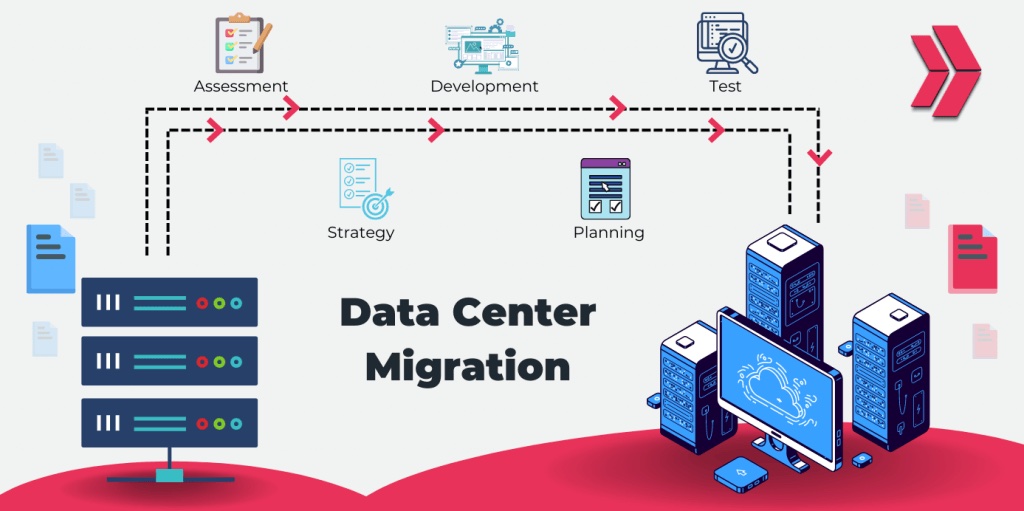
Data center migration

The organizations that have modernized to cloud and SaaS platforms remove that dependency — and dramatically reduce disruption.  Cloud-hosted workloads change the equation.  The Line of Business applications run in professionally managed data centers with built-in redundancy that assures protections against outages.  This allows your employees to work securely accessing the necessary systems from anywhere.  Snowstorms don’t take your applications offline.  And your business benefits from greater uptime, faster recovery and less operational risk.

And Cloud Collaboration | Customer Service Systems Keep You Reachable — Even When Staff Aren’t

During disruptions, like a major winter storm, a disruption with your business phone system is often the first thing a customer will notice.  A modern cloud delivered platform is not impacted by the electricity, phone lines or internet access within your office.  

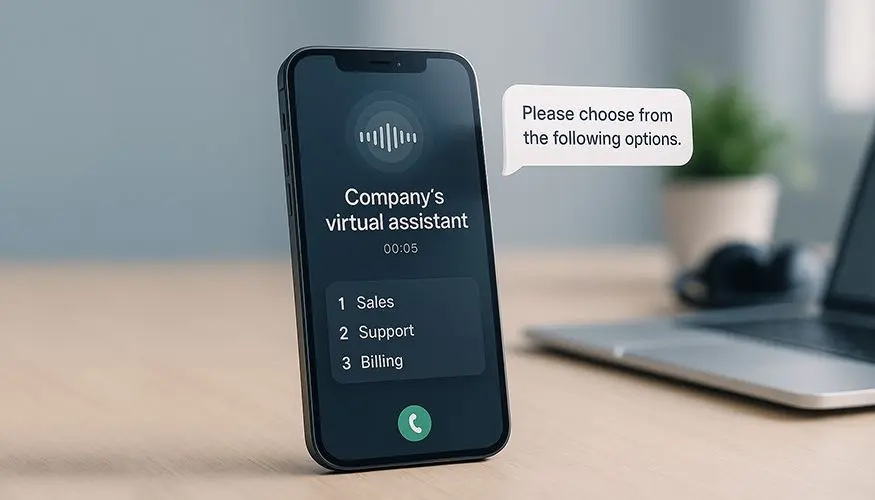
company virtual assistant

Independent of the state of your office, the cloud hosted phone system continues to route inbound telephone calls to mobile and desktop softphones.  Or if employees are not available an AI-powered agent can answer those calls, route requests, or capture information for when employee follow-up.

Customers always reach someone — even during staffing disruptions.  No missed calls. No lost opportunities. Greater customer confidence in your brand.

Ask Yourself This Question

If we lost access to our office for three days, would our business still operate?

If the answer isn’t an immediate “yes,” winter weather is a warning — not just a forecast.

Preparedness isn’t about over-investing in technology.  It’s about making smart decisions that keep your business running — no matter the weather.

Winter storms are inevitable.  Business downtime doesn’t have to be.

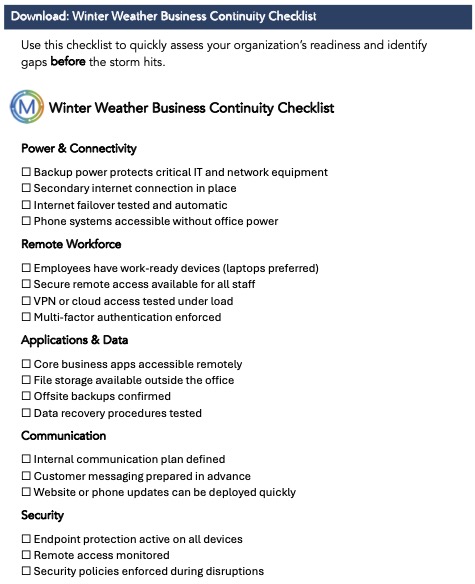
Download: Winter Weather Business Continuity Checklist

Use this one-page checklist to quickly assess readiness.

Winter weather business continuity checklist

Why CCRCs Are Replacing Fragmented Safety Systems with a Unified Life Safety Platform

CCRCs are replacing fragmented Safety Systems

Continuing Care Retirement Communities are changing—and so are the expectations placed on the systems that protect residents, support staff, and document care. Today’s Retirement Communities must balance resident independence with safety, meet growing regulatory scrutiny, support stretched care teams, and provide reassurance to families and boards alike.

Yet communities today are still relying on disconnected safety systems—separate platforms for nurse call, wander management, door access, emergency alerts, and reporting. This siloed approach creates blind spots, slow response times, and unnecessary operational risk.

That’s why more organizations are transitioning to a unified life safety platform, such as the Quantum Safety & Security System, which integrates resident safety, access control, staff alerts, and compliance reporting into a single, intelligent system.

In this article, we’ll explore what your Central Pennsylvania facility will gain when you move away from fragmented tools—and why a unified platform is quickly becoming the standard for senior living safety.

From Reactive Alarms to Proactive Safety

Traditional life safety systems are built to react. A button is pressed. An alarm sounds. Staff respond. What’s missing is context.  A unified platform changes that model entirely.  Instead of isolated alerts, staff see the who what & where:

  • Who triggered the alarm – resident
  • Where it occurred (room, area, map view)
  • What type of event it is
  • Who is responding in real time – staff

This shared awareness reduces confusion and ensures faster, more confident responses—especially during high-stress situations.  For leadership, it means fewer unanswered questions after the fact and fewer “we think this happened” explanations to family and regulators.

Protecting Residents Without Restricting Independence

One of the greatest challenges in senior living is protecting vulnerable residents—particularly those with cognitive impairment—without turning the community into a locked facility.

Modern platforms address this with intelligent wander management:

  • Doors automatically respond when a resident wearing a transmitter approach
  • Access can be granted or restricted by door, by resident, by schedule
  • Courtyards, dining rooms, and common areas remain accessible when appropriate

This supports safe independence, not blanket lockdowns

Residents experience greater freedom, families gain peace of mind, and staff aren’t forced into constant manual supervision.

Faster Response, Less Guesswork for Staff

Care teams don’t need more alarms—they need better information, situational awareness.  With a unified platform, alerts are routed to the right staff automatically.  Escalation paths ensure alarms aren’t missed and visual cues (maps and corridor lights) guide staff directly to the source.

Staff also benefit from:

  • Staff assist buttons for personal safety
  • Clear visibility into who has acknowledged or claimed an alarm
  • Reduced overhead paging and hallway confusion

The result is a calmer, more controlled response environment—something both staff retention and resident outcomes benefit from.

Daily Resident Accountability Without Intrusion

Independent living residents value autonomy—but communities still need assurance that residents are safe.  Unified systems support resident check-ins that are flexible (device activation or automated phone calls).  Intelligently scheduled by apartment or care level and clearly reported, with missed check-ins highlighted

Vacation modes prevent false concerns when residents are away, and reports give staff immediate clarity on who needs follow-up.  This capability significantly reduces the risk of an undetected medical emergency while respecting residents’ routines and privacy.

Built-In Documentation for Surveys, Families, and Boards

One of the most overlooked benefits of a unified life safety platform is documentation.  Every event is automatically logged:

  • Alarms and responses
  • Staff acknowledgments
  • Door events and overrides
  • Care interactions and check-ins
  • Device testing and maintenance

For Communities, this matters because:

  • State regulators want evidence, not explanations
  • Families expect transparency
  • Boards want risk exposure minimized

Instead of reconstructing timelines from paper logs and emails, leadership can produce clear, time-stamped reports with confidence.

electromagnetic lock

Proactive Risk Management Instead of Reacting to Chaos

Legacy systems often fail silently—until something goes wrong.  Modern platform reporting highlights issues before they become incidents, allowing teams to address problems during normal operations rather than emergencies.  Those systems continuously monitor:

  • Device connectivity
  • Battery levels
  • Untested or offline equipment
  • Door status and overrides

This shift from reactive maintenance to proactive risk management reduces liability, downtime, and stress across the organization.

One Platform That Scales with Your Community

Communities evolve. Buildings are added. Care levels change. Resident’s care requirements grow more complex.  A unified life safety platform is designed to scale:

  • New doors, devices, and areas integrate seamlessly
  • Schedules and access rules adapt as care needs change
  • Reporting remains consistent across the entire campus

Instead of replacing systems every few years, communities gain a foundation that grows with them.

Why Communities Move Away from Fragmented Systems

Working across Central Pennsylvania and speaking to the leadership teams at different retirement communities it is not uncommon to hear these same frustrations repeatedly:

  • “Our systems don’t talk to each other.”
  • “We spend too much time proving what happened.”
  • “Staff miss alarms because they’re overloaded.”
  • “Families want more transparency.”
  • “Surveys make everyone nervous.”

Investing in a unified platform will never eliminate every challenge—but the approach will dramatically reduce operational friction and improve confidence at every level of your organization.

A Smarter Approach to Senior Living Safety

Life safety in a continuing care retirement community isn’t about technology—it’s about people.  It’s about residents who feel safe without feeling restricted.  A. Staff that is supported by management, not overwhelmed and confidence within the organization.

A unified platform like the Quantum Safety & Security System brings these goals together in one coherent solution—transforming safety from a collection of alarms into a strategic asset for the community.

If your Community is evaluating its next generation of life safety systems, the question is no longer whether to unify—but how soon.

Preparing for AI and Automation in 2026: IT Projects That Matter Most

Ai and Automation in 2026 looking into the future

Over the past year, there’s been no shortage of headlines offering advice on how organizations should prepare for AI-driven transformation. Analysts, vendors, and consultants alike are publishing frameworks, maturity models, and predictions for what 2026 will bring.

In a previous discussion on agentic AI, we explored how IT’s role evolves as systems become more autonomous.  Then following up within this article we will discuss those projects and how that responsibility becomes real.  Despite the variety of perspectives, most of these stories converge around a familiar set of themes:

  • Infrastructure
  • Responsibility
  • Trust
  • Humans in the loop
  • Company data as the engine for AI

These are all critical considerations. Some, like trust and responsibility, demand deep governance, cultural change, and executive alignment. They take time, careful planning, and cross-functional ownership.

Others, however, are far more approachable—and far more actionable—right now.  From Morefield’s perspective as a managed service provider in Central Pennsylvania and technology advisor across multiple industries, 2026 readiness starts with (2) foundational project areas that organizations can—and should—prioritize today:

  1. Infrastructure
  2. Data

When you get this right, your organization will have the conditions for responsible, trustworthy, and scalable AI adoption. Ignore them, and even the most advanced AI initiatives will stall under their own weight.

Why AI Readiness Is an Infrastructure Conversation First

AI and automation are not “plug-and-play” workloads. They place very different demands on IT environments compared to traditional line of business applications.

As organizations look ahead in 2026, AI-driven systems will increasingly operate as distributed, always-on, multi-agent environments—not as single applications running in isolation.

That reality has major implications for infrastructure planning.

Advanced Networking Is No Longer Optional

AI agents need to communicate—constantly. They exchange signals, context, and results across systems in real time. That means networks must evolve well beyond basic connectivity.

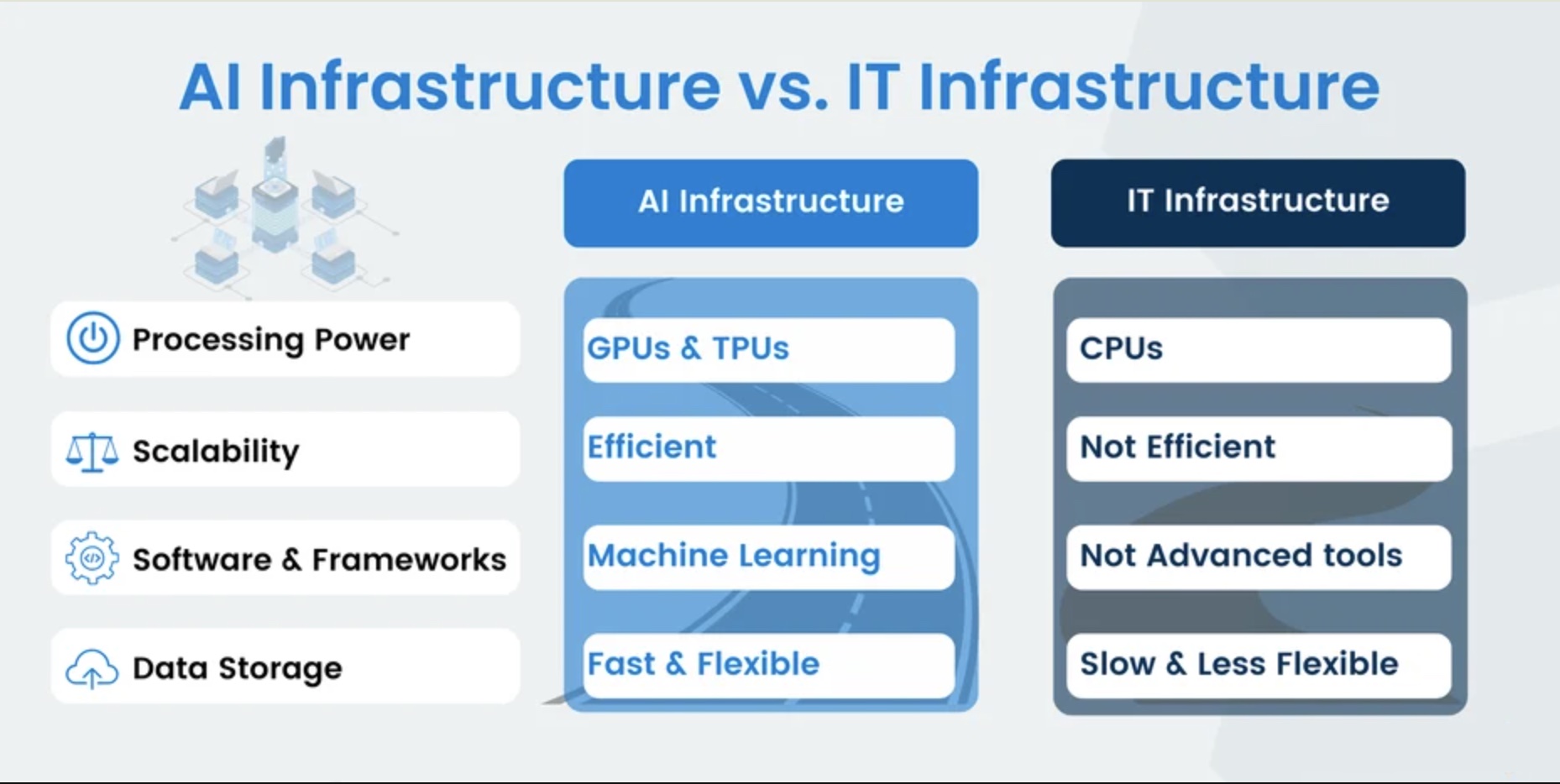
Ai infrastructure vs IT Infrastructure
Screenshot

Organizations should be planning for

  • Ultra-low latency networking to support real-time decision-making
  • High-throughput architectures capable of moving large data sets efficiently
  • Energy-efficient designs that control operating costs as workloads scale
  • Security embedded at every layer, not bolted on afterward

In practical terms, this often means refreshing core switching, modernizing WAN architectures, adopting software-defined networking, and rethinking how edge locations connect back to centralized resources.

For many SMB | Midmarket organizations, this is less about bleeding-edge technology and more about eliminating bottlenecks from legacy systems.  Systems that AI will quickly expose.

Flexible, Scalable Compute Is the New Baseline

AI workloads are bursty by nature. Demand spikes. Models retrain. Agents scale up and down dynamically.  Rigid, fixed-capacity infrastructure struggles in this environment.

As your team plans, compute strategies should prioritize:

  • Hybrid architectures that blend on-prem, cloud, and edge resources
  • Elastic scalability to align cost with actual usage
  • Workload portability, avoiding lock-in that limit future options

This is where many organizations discover that yesterday’s “cloud-first” strategy isn’t enough. AI introduces workloads that may need to live close to users, machines, or data sources—while still integrating with cloud-based intelligence.

Multi-Nodal Architectures Reflect How AI Actually Works

One of the most overlooked infrastructure shifts is the move toward multi-nodal architectures.  In an AI-enabled domain, some agents will operate in the cloud.  Others run at the edge—inside facilities, warehouses, or branch offices.  And then humans monitor, intervene, and guide outcomes in real time.

This requires environments where workloads can operate in concert, not silos. Networking, identity, monitoring, and security must be consistent across every node.

Organizations that plan for this now will move faster later—without re-architecting under pressure.

Your Company Data Is the Real AI Differentiator

If infrastructure is the foundation, your company data is the fuel.

Agentic AI systems rely heavily on human-generated company data—documents, communications, operational records, transactions, and institutional knowledge. Unlike public internet data, this supply is finite and deeply contextual.

That reality introduces both opportunity and risk.

Identify and Prioritize High-Value Data Sources

Not all data is equally valuable to AI systems.  A critical planning exercise is identifying:

  • Which data sets will drive the most meaningful AI outcomes
  • Where that data currently lives
  • How frequently it changes
  • Who owns and governs it

This often reveals data sprawl, duplication, and inconsistent access controls—issues that must be addressed before AI agents are allowed to act on that information.

Manage Overlapping Data with Intentional Silos

AI does not eliminate the need for separation of duties. In fact, it reinforces it.

Where overlapping data sets exist, organizations will need to intentionally silo data to maintain operational boundaries between AI agents. This helps reduce unintended cross-influence between processes.  Improves explainability of outcomes and supports compliance and audit requirements.

Silos are not about isolation—they’re about control and clarity.

Plan for the Explosion of Synthetic Data

AI agents don’t just consume data. They will generate it.  Likely a lot of it.

Automated processes, simulations, predictions, and derived insights all create synthetic data that must be stored, secured, and governed.

Organizations preparing for production AI should be asking:

  • Where will synthetic data live?
  • How long is it retained?
  • How is it distinguished from human-generated data?
  • How is it used to retrain or influence future models?

Ignoring this creates risk. Planning for it creates leverage.

Adopt Platforms Designed for Both Human and Synthetic Data

Traditional data platforms weren’t designed for AI-scale complexity.  Forward-looking organizations are evaluating platforms optimized to handle large volumes of unstructured data.  Support AI-native analytics and workflows and still enforce security and governance consistently.

This is not a rip-and-replace conversation for most SMB | Midmarket organizations. It’s about evolution with intention.

What does this translate to on a roadmap?

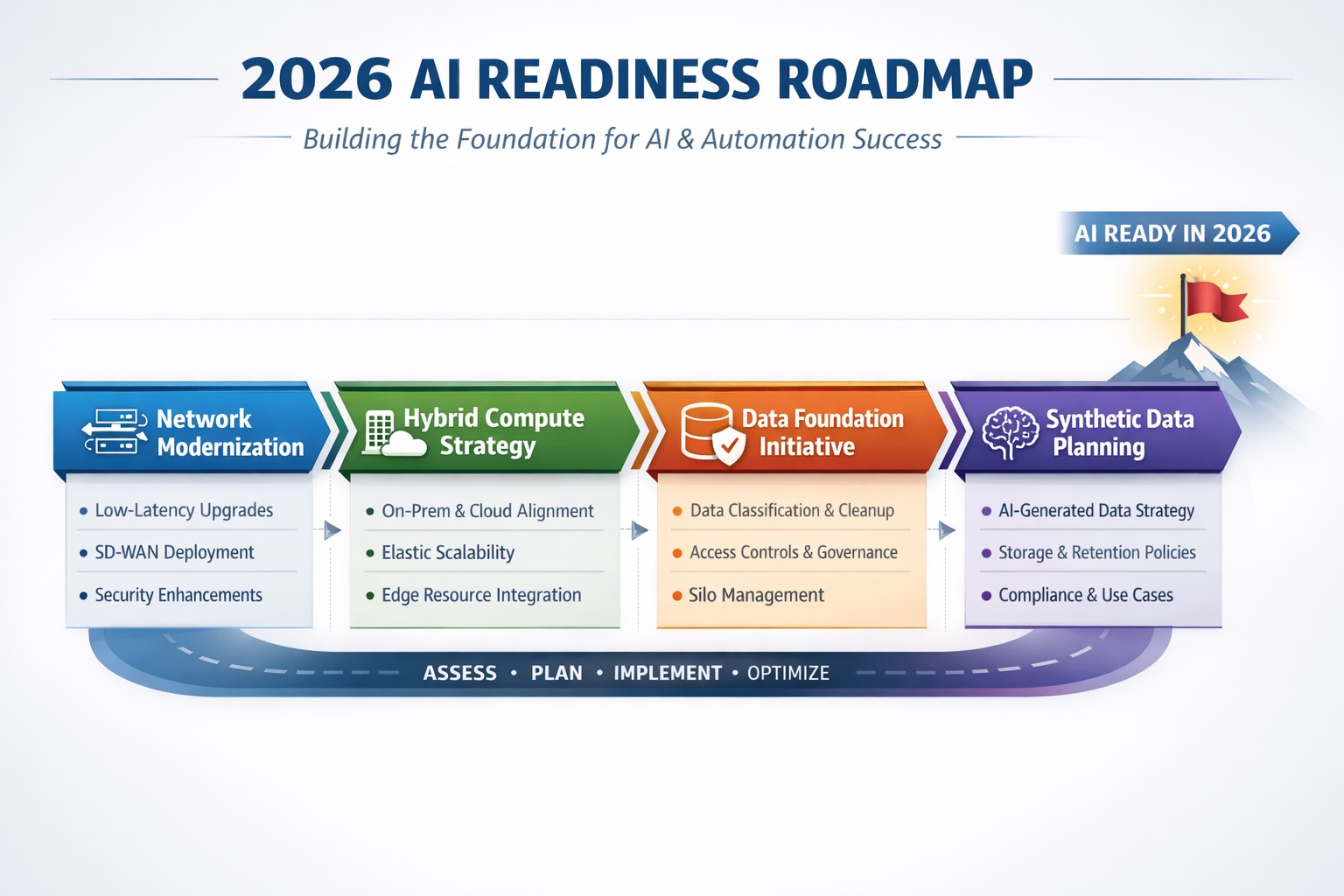
For business leaders, this preparation ultimately takes shape as a small set of well-defined, multi-year initiatives rather than one monolithic “AI project.” In practice, that often includes a network modernization program to reduce latency and eliminate bottlenecks, a hybrid compute strategy refresh that aligns on-prem, cloud, and edge resources to support bursty AI workloads, and a data foundation initiative focused on identifying high-value data sets, tightening access controls, and reducing sprawl. Increasingly, forward-looking teams are also beginning synthetic data planning—defining where AI-generated data will live, how it’s governed, and how it influences future automation. These are familiar IT motions, but viewed through an AI readiness lens, they become strategic enablers that compound value over time rather than one-off infrastructure upgrades.

2026 AI readiness Roadmap

Infrastructure and Data: The Fastest Path to Real AI Value

Trust, responsibility, and human oversight will always matter. They require leadership, policy, and culture.  But infrastructure and data? Those are solvable—with planning, projects, roadmaps, and investment.

Organizations that prioritize these areas will be positioned to:

  • Generate original insights from their own operations
  • Automate complex workflows safely
  • Solve problems that were previously out of reach
  • Expand what’s possible without increasing risk

AI transformation doesn’t start with algorithms.
It starts with preparation.

As your technology partner, Morefield’s role is to help you make smart, practical decisions today—so AI becomes an advantage tomorrow, not an experiment that never delivers.

If 2026 is on your roadmap, now is the time to build the foundation.

The Role of IT in Agentic AI

the role of it in agentic ai

Across organizations of all sizes, IT teams face the same challenge. Systems generate more data and alerts than people can act on fast enough. Traditional automation and analytics provide insights, but they still depend on human coordination to move work forward, slowing response and increasing risk.

Agentic AI addresses this gap by allowing AI systems to take limited, governed action after analysis. Rather than waiting for manual intervention, agents can trigger workflows, interact with systems and escalate decisions based on predefined rules. In practice, this autonomy is constrained and shaped by IT architecture and governance models.

As AI systems move closer to execution, IT plays a central role in determining how safely and effectively they operate. This article explains the role of IT in agentic AI, outlining how IT teams support agent-driven environments through infrastructure, security, governance, operations and change management.

How Agentic AI Changes the Operational Landscape

Agentic AI changes operations by allowing AI systems to initiate actions, not just generate insights. In a production environment, this execution is tightly constrained by architecture, data access and governance controls.

Most agentic AI deployments today operate with:

  • Defined action scopes tied to specific systems or APIs.
  • Event-driven execution triggered by monitored conditions.
  • Enforced limits on permissions, spend and system writes.
  • Required handoffs for decisions exceeding policy thresholds.
  • Continuous logging of prompts, actions, tool calls and outcomes.

These systems rely on reliable data pipelines, identity controls for AI agents and enforced decision boundaries to function safely. Autonomy is incremental and conditional, not open-ended.

As execution moves closer to the production systems, the role of IT becomes operationally significant. IT teams help translate policies into technical controls. They manage integration points, so agent-initiated actions remain predictable and within the defined risk tolerance.

The 5 Functions of IT in an Agentic AI Framework

Agentic AI places new execution responsibilities inside operational systems, which means IT’s role extends beyond just support and integration. When AI agents can initiate actions and influence outcomes, IT becomes responsible for the technical conditions that enable autonomy to be controlled, observable, and reversible.

These responsibilities fall into five functions that shape how agentic AI operates in live environments. Together, they define how autonomy is applied as agentic systems move from initial deployment into day-to-day use.

1. Building the Foundation: Platforms and Infrastructure

Agentic AI depends on infrastructure designed for continuous execution, not batch-level analysis. IT teams must support computing resources alongside real-time data pipelines, event streaming, vector databases, configuration stores and low-latency API access.

Reliability matters because agents act automatically when certain conditions are met, rather than on a scheduled cycle. Weak data quality or brittle integrations can quickly become operational risks.

2. Implementing Proactive Security and Monitoring

Autonomous execution introduces new threat models that make monitoring a security function, not just an operational one. IT must account for factors such as agent identities, credential scoping, tool misuse and dependency integrity.

Controls typically include sandboxed execution, rate limits, environmental constraints, rollback plans and continuous security monitoring. Detailed logs of prompts, decisions, actions and intermediate states must be saved as evidence for audits and incident investigations.

3. Establishing Clear AI Governance Policies

In agentic terms, governance means defining exactly what an AI agent is allowed to do, under what conditions and with what level of human oversight. IT plays an important role in implementing this through technical controls, not just policy documents alone.

Many organizations formalize this through an internal AI agent registry that documents each agent’s purpose, scope, ownership, versions and environment for accountability during audits and reviews. These controls typically include:

  • Defining autonomy levels and approval thresholds for agent actions.
  • Enforcing data access rules, limits and privacy constraints.
  • Implementing bias and fairness checks where agents influence decisions.
  • Ensuring explainable decision logs for high-impact actions.
  • Aligning controls with sector-specific regulations and internal risk policies.

4. Managing Day-to-Day AI Operations

Once launched, agentic systems require continuous operational oversight to maintain performance and behavioral stability. IT teams manage how agents move into production and evolve over time, while tracking behavioral drift, runtime health and cross-agent interactions.

This visibility helps identify early warning signs before minor issues become failures at an operational or regulatory level.

5. Leading a Smooth Change Management Process

Agentic AI changes the way decisions are made. IT supports this by clarifying updated Responsible, Accountable, Consulted, and Informed models, defining what agents can decide versus what requires human approval.

It also trains teams to recognize new failure modes, such as cascading automated actions or over-trust in AI outputs. This operational clarity reinforces the role of IT in agentic AI as systems move closer to execution.

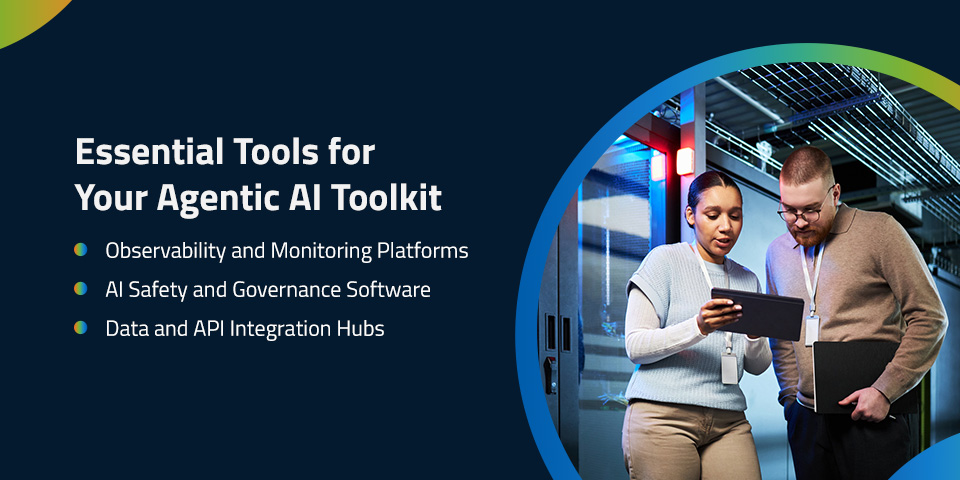
essential tools for your agentic ai toolkit

Essential Tools for Your Agentic AI Toolkit

Supporting agentic AI in production requires tooling that goes beyond traditional monitoring or automation platforms. Because AI agents initiate actions, interact with multiple systems and operate with restricted autonomy, IT teams need tools that emphasize visibility, control and risk management, as well as performance.

An effective agentic AI toolkit includes:

Observability and Monitoring Platforms

These tools provide deep visibility into agent behavior by tracking action success and failure rates alongside latency metrics and reliability data. They monitor override frequency while flagging safety violations, whether a policy breach, unauthorized system write or an agent attempting to execute forbidden actions.

To satisfy audit evidence requirements and enable root-cause analysis, logs must capture the complete decision chain. Prompts flow into decisions, decisions generate intermediate states and those states trigger tool calls.

This comprehensive tracking ensures teams can respond to regulatory scrutiny with confidence, as every agent action has been documented and can be traced back throughout its entire execution path.

AI Safety and Governance Software

Governance platforms enforce policy-as-code, risk-tiering, approval workflows and human-in-the-loop thresholds. For example, an agent may execute routine actions automatically while blocking financial transfers or system changes above a defined threshold until explicit approval is granted.

Beyond this, these platforms allow for dynamic risk scoring that adjusts based on context. The same action might proceed automatically during business hours, but trigger validation after midnight.

These tools maintain fixed audit trails for compliance reporting and provide role-based access controls that determine which agents get access to specific systems. When violations occur, platforms can quarantine the agent, roll back actions and alert security teams before the damage can spread.

Data and API Integration Hubs

Integration layers such as centralized API gateways or service meshes manage secure access to operational systems through authenticated APIs, schema validation and rate controls. Rather than granting direct database access, these hubs create controlled channels where every request passes through security checks and transformation rules.

They handle protocol translation between legacy Simple Object Access Protocol systems and modern Representational State Transfer APIs. Rate limiting prevents runaway agents from overwhelming services.

Circuit breakers automatically disconnect misbehaving agents before failures compound. These hubs capture not just what data was accessed but how it was transformed and where it was sent.

prepare your it ecosystem for an autonomous future

Prepare Your IT Ecosystem for an Autonomous Future

Agentic AI doesn’t fail or succeed on algorithms alone. It depends on whether your systems, controls and operating models can support automation action without creating new exposure.

Infrastructure has to handle continuous execution, security must account for autonomous behavior, governance needs to live in code and operations must spot risk before it spreads. Together, these responsibilities define the role of IT in agentic AI as systems move from insight generation into real execution.

That’s where the right IT partner matters. Morefield helps you design, integrate and govern the systems that agentic AI relies on, from secure infrastructure and resilient integrations to compliance-ready monitoring and operational controls. Contact us to talk about building an environment where autonomy stays controlled and aligned with how your business operates.

Sign Up for Our Newsletter