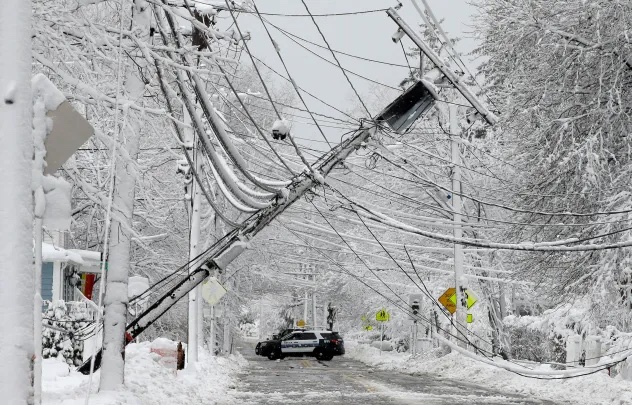
Snowstorms don’t just slow commutes. They disrupt operations, impact customers, and expose gaps in business preparedness.
When winter weather hits, most companies think about power outages. A few think about generators. But resilient businesses think bigger.
They plan for connectivity, workforce mobility, data access, security, and communication — long before the forecast turns white.
Because a snow day shouldn’t become a shutdown day.
The Real Risk of Winter Weather
For SMB and midmarket organizations, winter storms can create a perfect storm of challenges:
- Employees can’t safely reach the office
- Power or internet service becomes unreliable
- On-prem systems are suddenly inaccessible
- Customers are left in the dark
- Security risks increase as staff work remotely
The result? Lost productivity. Delayed revenue. Frustrated customers.
Winter Weather Is a Stress Test for Your Business
Severe weather acts as a real-world stress test for IT and operations. If power drops, roads close, or internet service becomes unreliable, businesses quickly discover:
- Which systems are office-dependent
- Whether remote access works
- How resilient their communications are
- How well they can serve customers during disruption
The difference between downtime and continuity usually comes down to technology strategy, not effort. The good news: most of this disruption is preventable with the right preparation.
Business Preparedness Goes Beyond Generators
Backup power matters — but it’s only one piece of the puzzle. True winter readiness focuses on business continuity, not just infrastructure survival. Here’s what resilient organizations plan for.
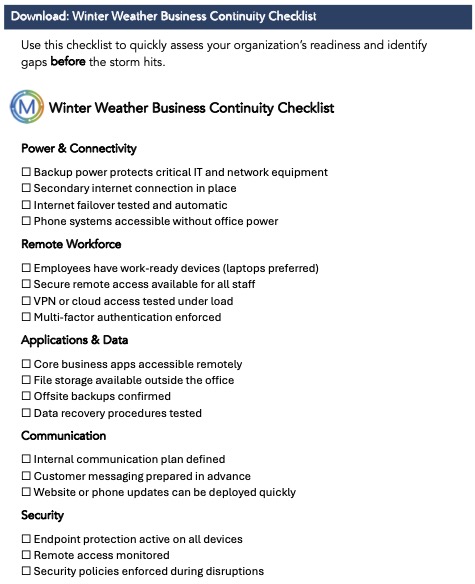
- Power & Connectivity Resilience
If your building stays powered but your systems go offline, business still stops. Prepared businesses ensure:
- Network equipment is protected by backup power
- A secondary internet connection is in place
- Internet failover is automatic, not manual
- Phone systems operate independently of the office
Outcome: Your business stays reachable even when conditions deteriorate.
- Remote Workforce Readiness
Many companies forego testing their remote workforce plans and assume employees can work from home. Cloud-delivered applications outperform office-bound systems during weather disruptions. VPN-only strategies often struggle when demand spikes. Key questions to ask:
- Do employees have laptops or are they tied to desktops?
- Can everyone securely access business systems today?
- Has remote access ever been tested at scale?
- Is multi-factor authentication enforced?
Outcome: Employees stay productive without compromising security.
- Application & Data Accessibility
Winter weather exposes one critical weakness fast: where your data lives. Prepared businesses know:
- Whether critical applications require office access
- If file servers are cloud-based or on-prem
- That backups are offsite and recoverable remotely
- Recovery procedures are tested, not assumed
Outcome: Data remains available when it matters most.
- Communication Plans (Internal & External)
Silence creates confusion — for employees and customers. Clear communication protects trust during disruption. Smart organizations plan communication in advance:
- How leaders notify staff of closures or remote work plans
- How customers are informed of operational changes
- Whether websites, phone systems, and email messaging align
Outcome: Everyone knows what’s happening and what to expect.
- Security Doesn’t Pause for Snowstorms
Disruptions increase cyber risk. Remote work during severe weather can expose:
- Home network vulnerabilities
- Phishing and social engineering attempts
- Unsecured devices accessing company systems
Prepared businesses enforce:
- Secure remote access
- Endpoint protection
- Continuous monitoring
Outcome: Security remains strong — even when conditions aren’t.
Why Cloud-First Businesses Weather Storms Better
When critical systems live in your office, weather becomes a business risk. When those applications rely on office-based servers or VPN-only access, productivity suffers. SaaS platforms remove those barriers
- No local infrastructure to manage
- Secure access from any location or device
- Automatic updates and built-in resilience
- Reduced reliance on VPN performance
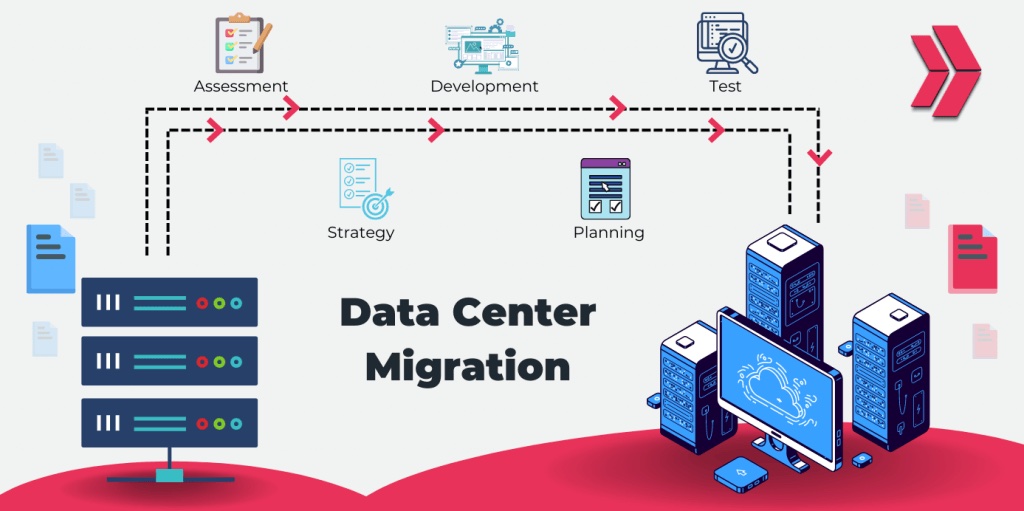
The organizations that have modernized to cloud and SaaS platforms remove that dependency — and dramatically reduce disruption. Cloud-hosted workloads change the equation. The Line of Business applications run in professionally managed data centers with built-in redundancy that assures protections against outages. This allows your employees to work securely accessing the necessary systems from anywhere. Snowstorms don’t take your applications offline. And your business benefits from greater uptime, faster recovery and less operational risk.
And Cloud Collaboration | Customer Service Systems Keep You Reachable — Even When Staff Aren’t
During disruptions, like a major winter storm, a disruption with your business phone system is often the first thing a customer will notice. A modern cloud delivered platform is not impacted by the electricity, phone lines or internet access within your office.
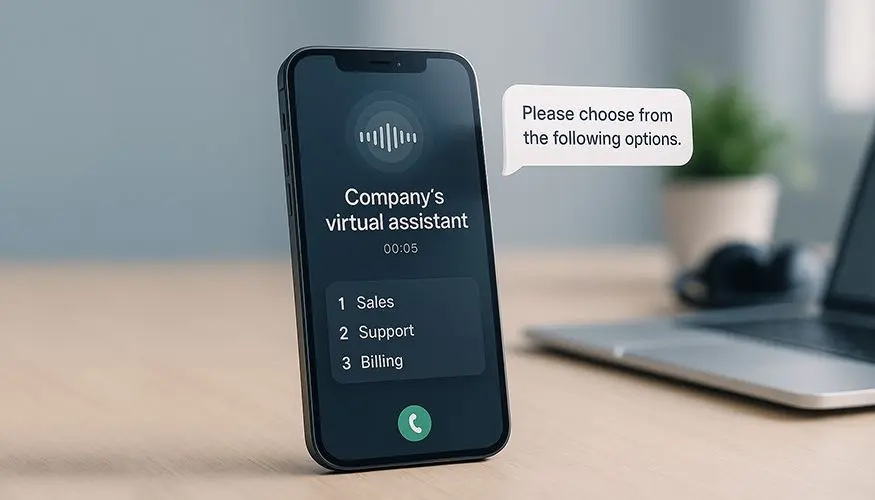
Independent of the state of your office, the cloud hosted phone system continues to route inbound telephone calls to mobile and desktop softphones. Or if employees are not available an AI-powered agent can answer those calls, route requests, or capture information for when employee follow-up.
Customers always reach someone — even during staffing disruptions. No missed calls. No lost opportunities. Greater customer confidence in your brand.
Ask Yourself This Question
If we lost access to our office for three days, would our business still operate?
If the answer isn’t an immediate “yes,” winter weather is a warning — not just a forecast.
Preparedness isn’t about over-investing in technology. It’s about making smart decisions that keep your business running — no matter the weather.
Winter storms are inevitable. Business downtime doesn’t have to be.
Download: Winter Weather Business Continuity Checklist
Use this one-page checklist to quickly assess readiness.