



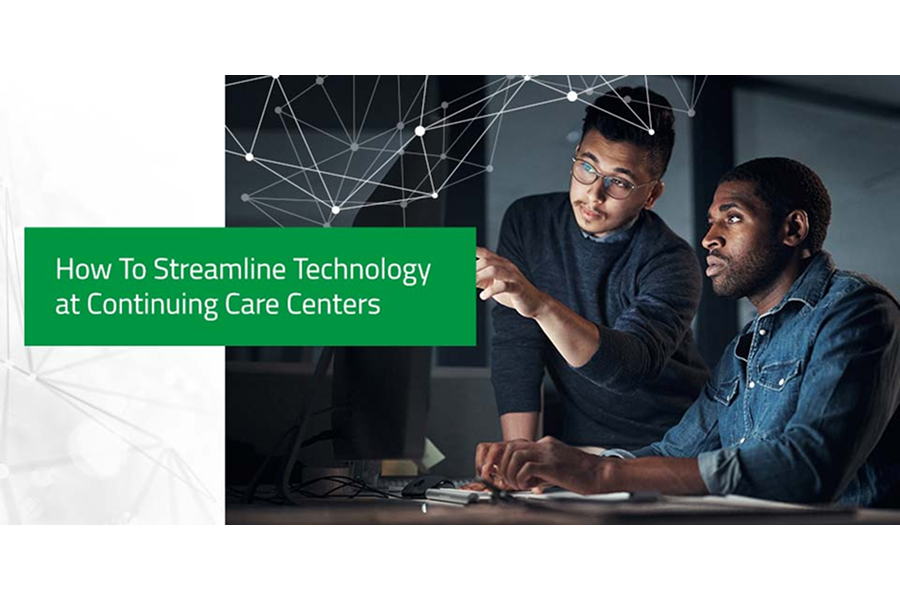
As a type of healthcare facility, continuing care centers have some unique technological requirements. These facilities have specific vulnerabilities, such as populations with health issues and even high-security concerns. Older adults have higher rates of multiple chronic conditions, and there is even a specific type of fraud in which scammers target older adults. The operating environment is unique, too, requiring a mix of healthcare, business and residential technology.
You’ll find many different types of technology in senior living centers. By ensuring organization and streamlined structures, you can offer sizable benefits for residents, employees and the facility itself.
In the past decade, the ways people communicate, entertain, stay secure and track personal habits have changed because of technology. The introduction of tablets, smartphones, smartwatches and other devices granted residents and staff access to more information, data and connection. Advances in commercial tools like cybersecurity and telecommunications services have brought plenty of new possibilities to light like faster results and more protected and accessible digital information.
From an administrative perspective, facilities are seeing a range of new technologies that help run the business, such as competent facility management software, information security and data processing solutions and more advanced physical security options. Administrators can monitor and communicate faster, more securely and more efficiently than they could even just a few years ago — but only if they support the technology environment appropriately.
Between keeping up with the times and meeting cybersecurity requirements, technology has seen a significant shift. These developments are modifying the way that facilities must approach IT, hardware and security. Below are some of the ways they’re shifting.
When it comes to technological security, the industry is consistently making strides with new solutions to prevent malware, ensure privacy and monitor performance. It needs to evolve to keep up with an ever-changing landscape of threats, such as sophisticated scams targeting older adults and a more extensive collection of personal devices, such as smart home speakers.
These devices, which are part of the Internet of Things (IoT), are a rapidly growing threat because they lack strong securities in their hardware and connect to larger networks. They can provide a “bridge” to sensitive information and offer up more points of entry. They’re just one example of challenging security requirements. The popularity of these devices has spiked in recent years with the healthcare market alone experiencing a compound annual growth rate of 21%.
Protecting residents and facilities against these new threats requires strong security solutions and ongoing assessment to ensure that security keeps pace with advances in technology.
The staff and volunteers working at the senior care centers work around the clock to offer the best care for their residents, but that stress can turn into burnout, which is especially prevalent among skilled nursing staff. Sometimes, that stress comes from a clunky, challenging workday. Modern technology has made it possible for facilities to make work easier and more efficient, offering benefits like:
Eliminating buffering, long load times and poor connections can make the workday much smoother and more enjoyable for the entire staff, which also helps to improve job satisfaction and efficiency. Better work experiences can help reduce staff turnover, labor costs and more.
Independence is a significant factor that many families consider when choosing a senior care center. More and more places offer apartment-style living for independent adults who want a safe community to reside in while staying connected to their families and friends and maintaining active lives.
Entertainment, socialization and safety are at the forefront of these residents’ minds, and in the modern world, those often come through digital means. Overall, 67% of adults 65+ use the internet, with a higher percentage of 82% for younger seniors aged 65-69. Internet use enables many important activities, from streaming TV shows to connecting with the grandkids, so having strong, reliable connections is essential for resident comfort, especially in the coming years as more tech-savvy elders join these facilities.
Aside from simple internet access, this infrastructure often supports assistive and IoT devices, as well. The technical environment must support these tools securely, factoring in the unique IT landscape these additional devices create.
Much like schools and hospitals, senior living centers need technology to give staff members the best resources and residents the best experiences while maintaining a secure, reliable environment that keeps them safe. Let’s take a look at some of the common ways you can use technology in nursing homes.
Modern technology like smartphones, tablets and laptops give everyone transportable access to all kinds of communication. Connection to devices gives older adults the ability to keep up with friends on social media, join weekly video calls with family members and send daily text messages to loved ones. Modern technology makes these vital connections easier to come by and more versatile. It also gives them various entertainment options, from watching their favorite show to playing a game on their phone.
While these devices are important for resident happiness, communication is also vital for their health and safety. Many older adults are now using digital technology to communicate with their doctors and healthcare team. This might come in the form of Telehealth appointments or remote monitoring devices for vitals like blood pressure and heart rate. Of course, they must be supported with essential telecommunications systems like the internet and cellular service.
Staff can also use modern technology to send out email announcements, newsletters and updates to the community faster than ever. They can share virtual sign-up sheets for activities and create billboards for upcoming events to send directly to residents or even post on social media.
Assistive technology is making great strides every year, and older adults often use these devices to get around, communicate and make their days easier. Some examples of these devices include:
While some of these tools are essentially self-contained and don’t need access to the internet, many do need this connection to function or take full advantage of their features. Apps, for instance, often use Wi-Fi to communicate with smart lightbulbs, thermostats, TVs and other components of daily living. They may link up with smart speakers for easy voice control.
These kinds of IoT devices can improve access and independence for residents, but they also change the technical landscape of the facility. They might require more robust IT monitoring and next-generation firewalls built for the job.
The care and protection of the residents is a crucial responsibility of a senior care facility. This kind of support means constant availability is necessary from the staff. However, this isn’t always possible with limited resources. Technology provides alternatives that allow smaller teams to keep up and provide more attentive care throughout the facility.
Some examples of safety tech include:
With all of this powerful tech, it’s no surprise that security concerns are paramount. Senior care facilities need robust cybersecurity in place to protect against risks of malware, data breaches and performance problems. While most organizations have these same concerns, the unique environment of senior living communities makes their IT solutions look a little different, with factors like:
Security breaches in long-term care facilities create risk for the residents, damage to the facility’s image and costs associated with regulatory fees and lost business.
Technology is constantly changing, and with a fast-paced environment like a senior care center, it’s crucial to stay up-to-date. Streamlining the technology in senior centers means making it more accessible, secure and reliable for staff and residents. From common areas to private rooms and apartments, access to technology gives older adults the independence and freedom they deserve while still caring for their wellbeing when it comes down to health, safety and communication.
Some ways you can streamline your facility’s approach to assisted living technology include:
The best way to streamline usage is to ensure you’re patterning with a comprehensive IT solution provider.
Wondering what technology is best for seniors? Instead of training all the facility’s staff and volunteers on the technology, the best solution is to hire an IT specialist. Morefield offers expertise in telecom, networking and cloud services to keep up with the latest technology. As a managed service provider for senior facilities, we can help you offset the costs of state-of-the-art tech.
With expert help desk support, on-site and remote technicians rely on an outside source to assist with your facility’s technology with giving residents the connection they need to maintain their routines and social lives. At the same time, it provides staff with peace of mind while carrying on with their daily routines and check-ins without interruptions. Working with a trusted technology partner like Morefield Communications makes everyone’s experience with technology easier and more efficient in the long term.
Let’s talk about incorporating and enhancing technology at your senior care center together. For more than 80 years, Morefield has offered our dedicated service to clients in the Pennsylvania area. Contact us for more information, and let us help you upgrade your senior care facility with the technology services it has earned. After all, your residents and staff deserve the best.

