


Every once in a while, history will roll right through your backyard.
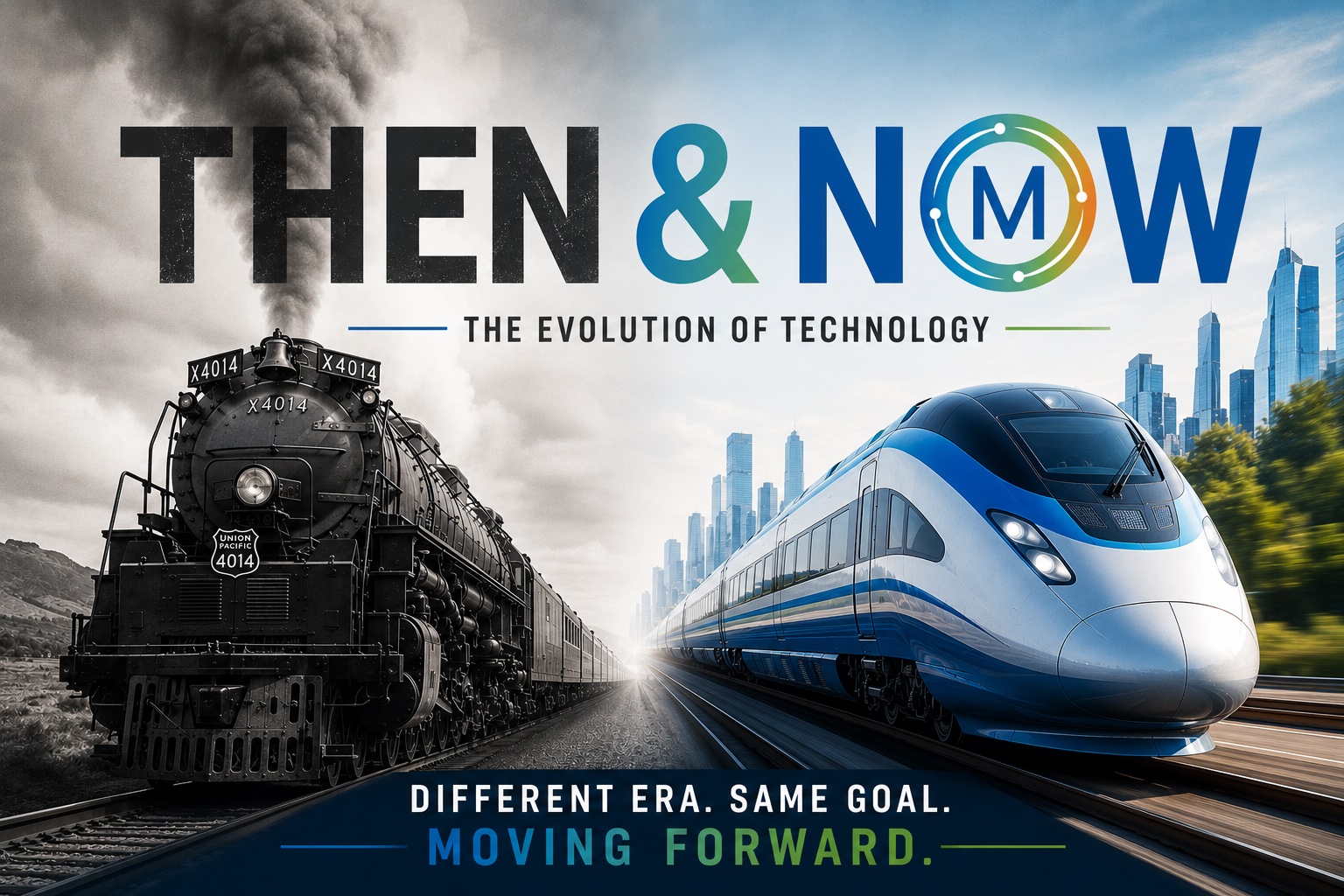
In July, Union Pacific’s legendary Big Boy locomotive steamed its way across Central Pennsylvania, drawing rail enthusiasts, families, photographers, and anyone who appreciates remarkable engineering. As it departed Philadelphia following the July 4th celebration it traveled west through Enola, Lewistown, Huntingdon, Tyrone, Altoona, the famous Horseshoe Curve, Cresson and then west to Pittsburgh.
Thousands of people gathered trackside to witness something few generations had the opportunity to experience. It’s easy to understand why. Big Boy isn’t just a train. It’s a reminder of an era when American innovation changed the way the United States worked.
When these locomotives were introduced in the early 1940s, they represented the pinnacle of engineering. They were built to solve a real logistics problem: moving heavy freight over the steep grades of the Wasatch Mountains efficiently and reliably. Every aspect of their design—from their immense power to their articulated frame—was innovative for its time. They weren’t built simply because someone wanted a big locomotive. They were built because industry needed a better solution.
Standing next to this steam breathing giant, it’s impossible not to be impressed. It weighs more than a million pounds. It stretches over 130 feet in length. It generates thousands of horsepower using steam, fire, and mechanical precision.
And yet, despite the engineering brilliance, it eventually gave way to diesel-electric locomotives. Not because Big Boy stopped working and not because it wasn’t powerful. It was retired because new technology became more efficient, easier to maintain, less expensive to operate, and better suited for the future.
That’s an important distinction. Innovation rarely replaces something because the old solution is “bad.” Innovation replaces something that simply isn’t the best tool anymore. Businesses across Central Pennsylvania face that same reality every day
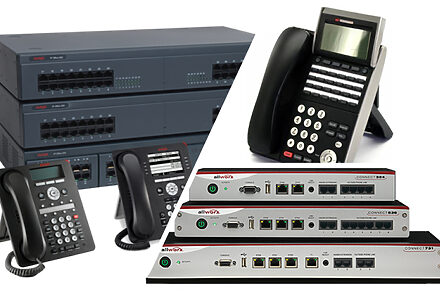
Our Morefield team encounters organizations who still rely on technology that has served them faithfully for years. Employees content with manual processes and workarounds. The aging server in the IT closet. The on-premise phone system with copper connectivity. Legacy business applications that are no longer supported.
None of these systems are broken. In fact, they’re responsible for helping that business grow to where it is today. The question isn’t whether these still work. Instead, you should ask whether they’re still helping your business move forward as efficiently, securely, and reliably as possible.
The pace of change isn’t slowing. Today technology decisions have become business decisions.
The pace of technology change is accelerating. Cloud computing has transformed how organizations access information. Cybersecurity threats have become more sophisticated. Employees expect seamless collaboration whether they’re in the office, working remotely, or on the road. AI and automation are reshaping workflows across every industry.
A lesson that we can take from Big Boy is that innovation isn’t about adopting every new idea simply because it’s new. The railroad didn’t replace steam overnight. It evaluated emerging technologies carefully. It considered operating costs, reliability, maintenance requirements, fuel efficiency, and long-term sustainability.
Those decisions weren’t emotional. They were strategic. Applying the same approach to modern business is a practical lesson. Not every company needs the latest software. A cloud migration of your company workload may not be the best decision for your organization. Tomorrow’s emerging technology does not justify an immediate investment.
The smartest technology decisions begin with understanding your business goals. Technology should answer your pressing business questions—not create more of them.

For decades, steam locomotives were the backbone of American rail. They were reliable, familiar, and the people who operated them knew every sound, every valve, and every maintenance routine by heart. Replacing them wasn’t an easy decision. It required significant investment, new training, and a willingness to leave behind technology that had served the industry well.
There’s another lesson hidden in the Big Boy story, and it has nothing to do with horsepower.
Many railroads waited, because change is difficult when today’s solution still gets the job done. And Central Pennsylvania businesses make that same calculation every day. At Morefield we will hear the familiar “we’ll replace that server next year.” or “our phone system still works” and “we’ve always done it this way.”
Those responses are foundational to Central PA, our reserved mindset, placing priority on responsibility in the moment. Why spend money fixing something that isn’t broken?
But technology has a way of changing the equation. The longer your organization waits, the more yesterday’s solution begins to create tomorrow’s challenges. Security risks increase. Vendors stop supporting older systems and software. Integrations become more difficult. Employees spend their day working around technology versus working with it.
These expenses are not always found on a balance sheet. They are realized in lost productivity. Or the opportunity you pass on because your systems cannot support that opportunity. It’s the sleepless nights worrying about a cyberattack and the weaknesses that incident could expose to your systems that run the business.
Your goal isn’t to replace technology for the sake of replacing it. It’s recognizing when a system that once moved your business forward has started holding it in place. That’s a much different conversation than simply asking whether it still turns on.
Perhaps that’s why the Big Boy still captures our imagination all these years later.
When people gather to watch it pass through Central Pennsylvania, they’re not just admiring a remarkable machine. They’re celebrating what it represented. It was built because people believed there had to be a better way to move goods, connect communities, and power a growing economy. It wasn’t innovation for innovation’s sake—it was innovation with purpose.
The best business technology should feel the same way.
It shouldn’t demand your attention every day. It shouldn’t create more complexity than it removes. At its best, technology quietly does what the Big Boy once did: it keeps everything moving. Your employees collaborate without thinking about it. Your customers receive better service. Your data stays protected. Your business adapts to new opportunities instead of being limited by old systems.
The companies that thrive over the long term aren’t necessarily the ones chasing every new technology trend. They’re the ones that know when it’s time to evolve. They recognize that every generation of technology eventually reaches a crossroads, where maintaining the familiar becomes more costly than embracing what’s next.
As Big Boy made its journey across Central Pennsylvania, it’s worth taking a moment to appreciate not only what it represents, but what it reminds us. That every generation has defining technologies. And every generation must decide when it’s time to invest in what’s next.
For businesses, those decisions have never been more important. The organizations that thrive aren’t the ones with the biggest IT budgets or shiny gadgets. They’re the ones that evaluate technology thoughtfully, align it with their business objectives, and invest where it creates meaningful value.
Big Boy was one of the greatest engineering achievements of its era. That’s the kind of technology every business should aspire to embrace—not because it’s new, but because it helps move your business forward.
Is your technology helping move your business forward—or is it time to start planning the next leg of the journey?
At Morefield, we believe technology should never be an obstacle to growth. Our mission is simple: we help companies make smart technology decisions that enable their success. Whether you’re evaluating your infrastructure, strengthening cybersecurity, improving collaboration, or planning for the future, we’re here to help you navigate what’s next—with confidence.